#Village Life in the Modern Era: Advantages, Challenges, and Evolution
# Village Life in the Modern Era: Advantages, Challenges, and Evolution

## Advantages: Peace, Freshness, and Lower Cost of Living
Village life offers a remarkable escape from the constant buzz of urban environments. The peaceful atmosphere is immediately noticeable when you step into a rural setting – the absence of traffic noise, crowded streets, and the general hustle creates a natural calm that many city dwellers crave. This tranquility isn't just about the lack of noise; it's a holistic experience that permeates daily living.
The air quality in villages deserves special mention. Without factories, heavy traffic, and high-density populations, village residents breathe fresher air daily. This natural freshness extends to the water supply, which often comes from local wells or springs rather than heavily treated municipal systems. The [health benefits of village living](https://medium.com/@arslanalibhutto/village-life-a-harmonious-blend-of-tradition-and-nature-7b0db48e27e8) include lower stress levels and reduced exposure to urban pollutants.
One of the most practical advantages of village life is its affordability. Housing costs are dramatically lower than urban equivalents, with many rural homes offering more space and land for a fraction of city prices. Basic necessities often cost less, and many villagers grow some of their food, further reducing living expenses. A family can live comfortably on a more modest income while enjoying a higher quality of life in terms of space and natural surroundings.
The community fabric in villages provides an invaluable safety net. Neighbors know each other by name, watch out for one another's children, and come together during difficult times. This built-in support system creates a sense of belonging that's increasingly rare in anonymous urban settings.
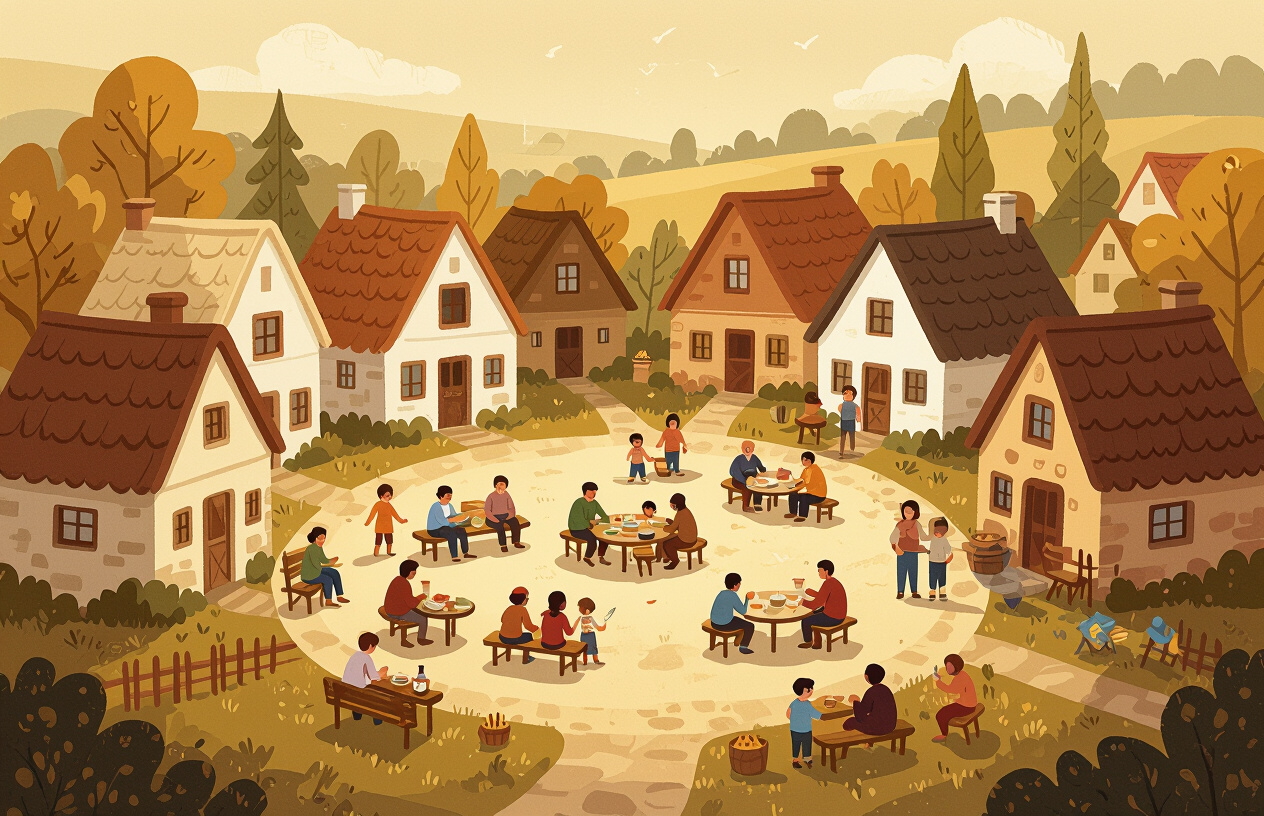For nature lovers, village life is paradise. Daily walks through fields, forests, or along streams become the norm rather than special weekend activities. Children grow up climbing trees and exploring outdoors rather than being confined to apartments and planned playgrounds. This [connection to natural rhythms](https://vocal.media/humans/village-life) has profound effects on physical and mental well-being.
## Challenges: Limited Amenities and Opportunities
Despite its charms, village life comes with significant challenges. Healthcare access tops the list of concerns for many rural residents. While basic medical services might be available locally, specialized care often requires traveling long distances. In emergencies, this distance can become life-threatening.
Educational options tend to be limited in villages. Local schools may offer adequate primary education, but advanced academic programs, specialized learning opportunities, and higher education institutions are typically found in urban areas. Families with academically ambitious children often face difficult decisions about relocation or lengthy commutes.
The job market presents another major hurdle. Outside of agriculture and traditional crafts, employment options are scarce in most villages. This limitation drives many young people toward cities in search of careers, causing rural population decline and breaking up families across geographical distances.
Digital connectivity – now essential for modern life – remains problematic in many rural areas. Slow internet speeds, inconsistent cell service, and limited technology infrastructure can isolate villagers from digital opportunities and information access.
The traditional mindset prevalent in some village communities can sometimes resist new ideas or approaches. While this preservation of tradition helps maintain cultural identity, it can also hinder progress and innovation when taken to extremes.
Simple conveniences urban dwellers take for granted – like 24-hour stores, food delivery, or quick access to consumer goods – are often absent in village settings.
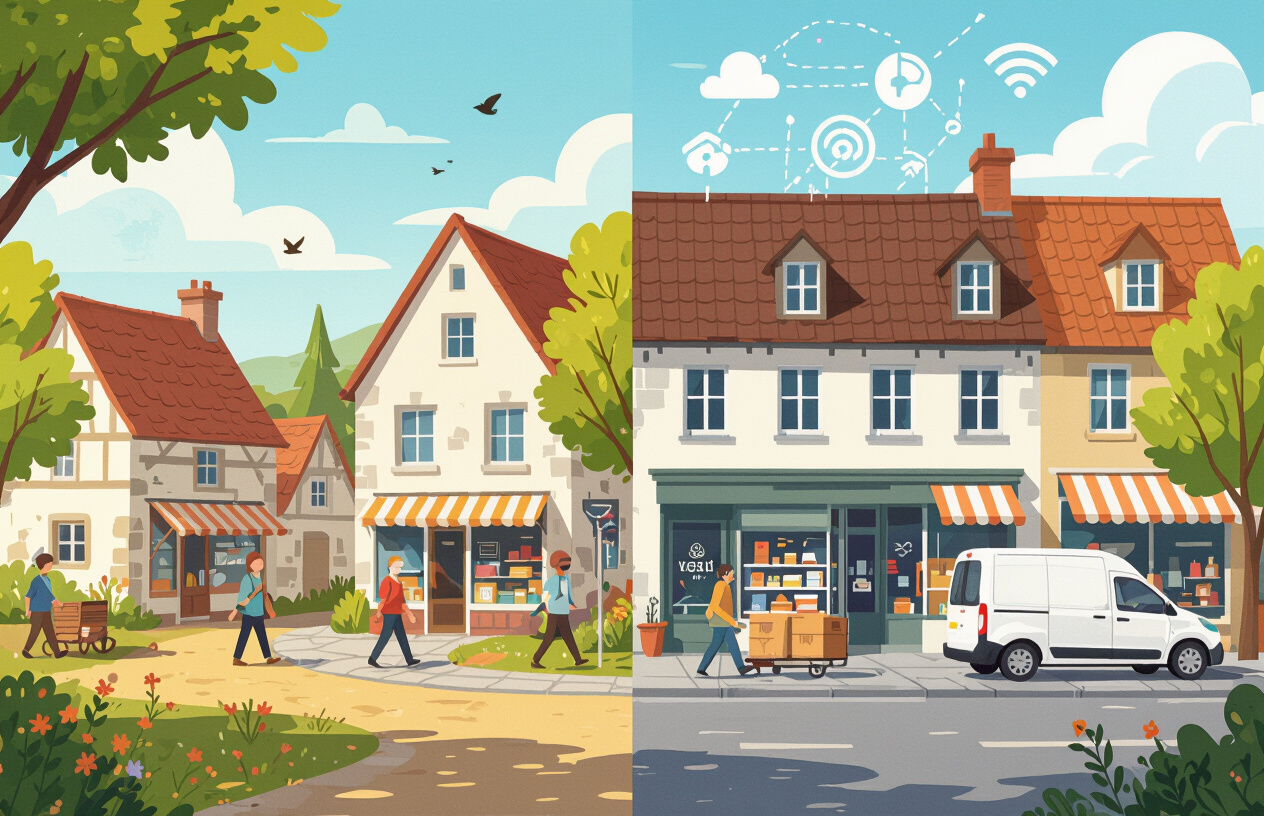Residents must plan shopping trips to larger towns, maintain larger home supplies, and develop greater self-sufficiency.
## The Evolving Village: Blending Tradition with Modernity
Today's villages are in transition, finding ways to preserve their essential character while embracing helpful modern elements. Many rural communities have successfully introduced high-speed internet, enabling remote work opportunities and keeping younger residents from feeling digitally isolated. This technological integration allows villagers to maintain their lifestyle while participating in the broader economy.
There's a growing countermovement to urbanization, with city dwellers increasingly seeking village experiences. Some visit as tourists, eager for authentic rural experiences, while others make permanent moves, bringing new ideas and energy to village communities. This [reverse migration trend](https://www.lemon8-app.com/@selchankavamerike/7447348447662948910?region=us) is reshaping rural demographics in many regions.
Environmental consciousness finds natural expression in village settings. Traditional practices like seed saving, composting, and local food production align perfectly with modern sustainability concerns. Many villages are leveraging this alignment, developing eco-tourism opportunities and specialty organic farming operations that connect to urban markets.
Social media has transformed communication in village communities, helping preserve connections between those who've moved away and those who've stayed. Family members separated by distance can maintain daily contact, and village events can be shared globally, strengthening cultural identity despite geographic dispersion.
Government initiatives focused on rural development are improving infrastructure and services in many villages worldwide. From better roads to mobile health clinics to educational programs, these efforts aim to reduce the urban-rural divide while allowing villages to maintain their unique character and advantages.
Comments
Post a Comment